
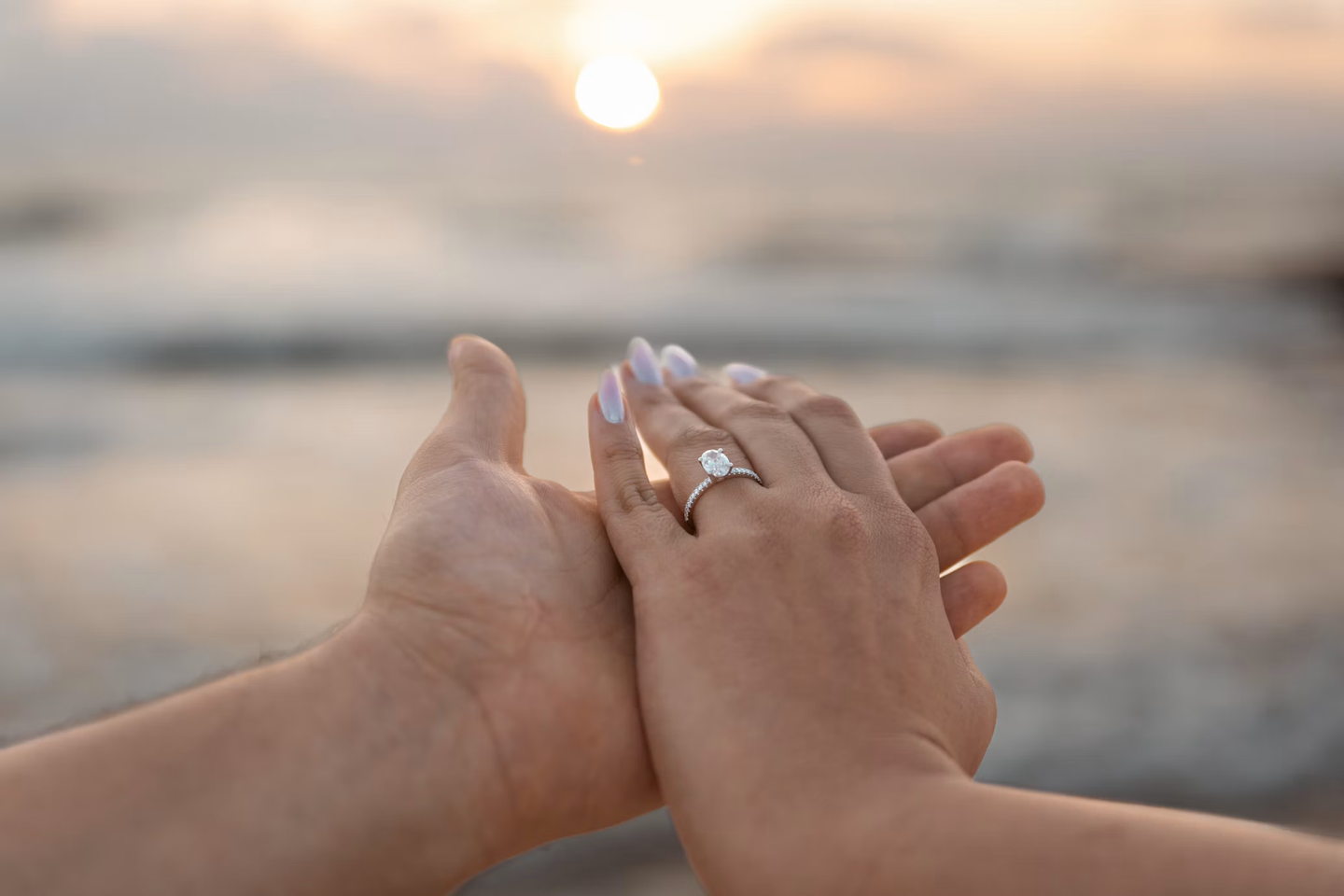
Photo by Shoham Avisrur on Unsplash
Choosing an engagement ring is one of the most exciting purchases many people will ever make. It is also one of the most considered, so a little knowledge before you start shopping can make the whole experience far more enjoyable.
What to Know Before Choosing an Engagement Ring
The best starting point is not the ring itself but the person who will wear it. Take time to notice their personal style, from the clothes they favour to the jewellery they reach for most often. Think about their everyday routine too. Someone who works with their hands, enjoys sport or spends long days at a keyboard may prefer a different design from someone with a more relaxed schedule.
Understanding these details before you visit a jeweller makes it much easier to choose a ring they will love wearing for years, rather than one that spends most of its life in a box.
Understanding Metals, Stones and Settings
Precious metal is one of the first choices to make. Platinum is dense and hard-wearing, with a naturally white finish, while white gold is often rhodium-plated and may require replating over time to maintain its bright colour. Yellow and rose gold offer warmer tones and are available in different purities, such as 9ct and 18ct. In the UK, it is worth knowing that precious metal items above certain weights must carry a hallmark from an independent assay office, which confirms the metal content. Diamonds remain the most popular centre stone, and their quality is usually described using the four Cs of cut, colour, clarity and carat, a grading system developed by the Gemological Institute of America. Cut largely determines how a diamond handles light, while carat refers to weight rather than visual size.
Coloured gemstones such as sapphires and rubies offer an alternative, although some stones are better suited to daily wear than others, so ask how each one is likely to hold up.
Setting style and ring profile also matter. A claw setting allows more light into the stone, whereas a bezel setting surrounds it with metal for extra protection. A high profile shows off the stone, while a lower one sits closer to the finger and is less likely to catch on clothing.
No single specification defines quality on its own, so aim to balance appearance and durability with your budget.
Practical Considerations Before You Buy
Set a realistic budget before you begin, and treat it as a guide rather than a target. Ring size is the next challenge, particularly if the proposal is a surprise. Borrowing a ring the wearer already uses on the correct finger, or asking a trusted friend for help, can provide a useful starting point.
Comfort and lifestyle should shape the final shortlist. Consider how the ring will sit alongside a future wedding band and whether the setting feels smooth enough for everyday wear. For diamonds and significant gemstones, review any certification, and ask about provenance where it matters to you.
Before committing, check whether the ring can be resized and how much that might cost. Read the returns policy and warranty terms carefully, and ask what aftercare is offered, such as cleaning or claw checks. It also helps to know that consumer rights cover goods bought from a retailer if they turn out to be faulty. Comparing several suitable options and asking a jeweller plenty of questions will help you buy with confidence.
Making the Final Choice Feel Personal
The most meaningful rings reflect the wearer as much as the occasion. Look at the jewellery they already own for clues about their preferred metal colour and whether they lean towards delicate or bolder pieces. Notice whether their taste is classic, modern or vintage-inspired, as this can quickly narrow your options. Exploring different styles of engagement rings can help you identify a design that suits both the wearer’s taste and everyday lifestyle.
Ultimately, a ring chosen with care and genuine understanding will feel personal long after the proposal itself.
