
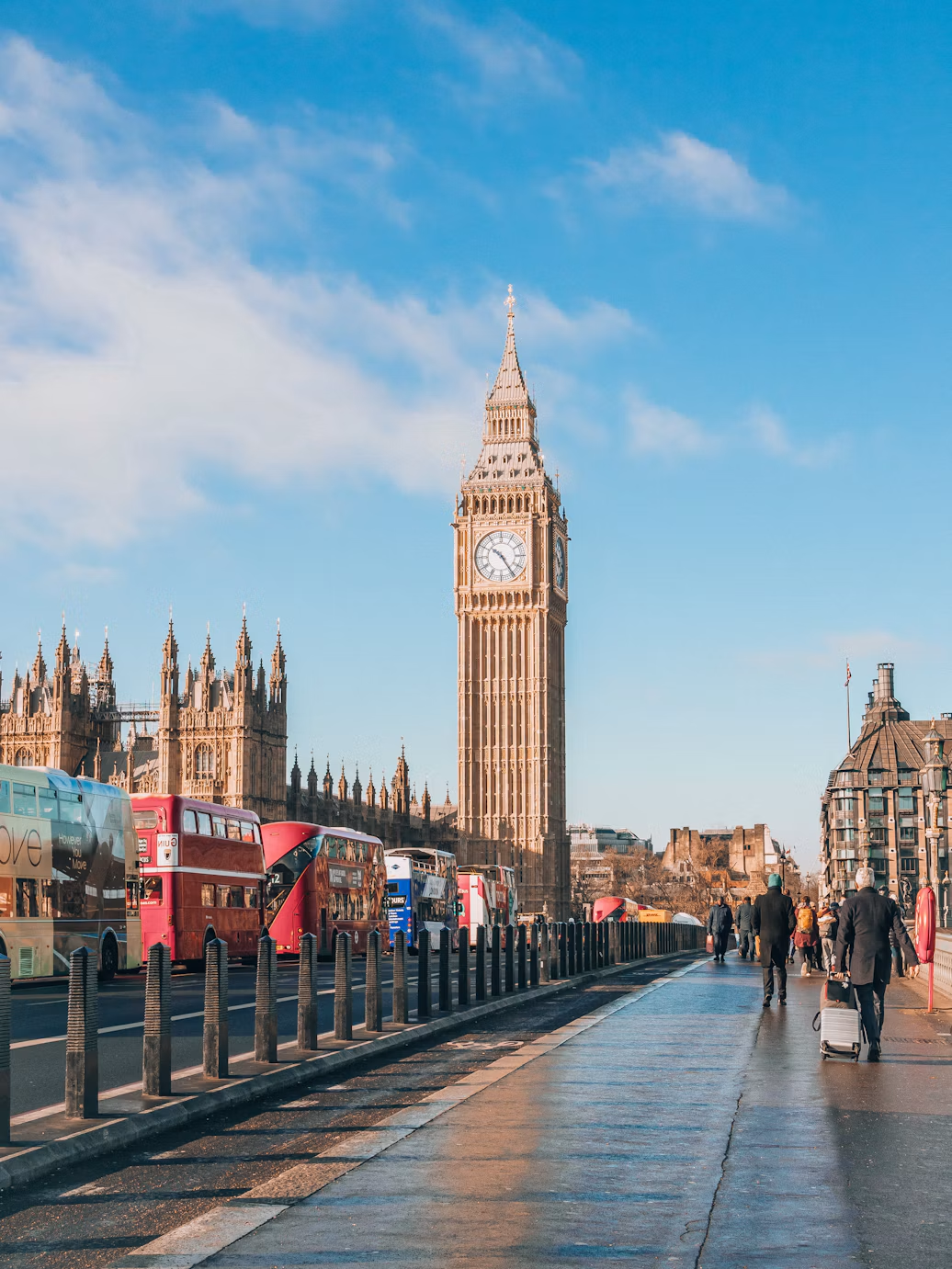
Photo by Yoav Aziz on Unsplash
Walking is part of daily life for millions of Londoners. Whether you’re commuting to work or visiting friends, travelling on foot is often the quickest and most convenient option. In fact, Transport for London identifies walking as the capital’s most common mode of transport, accounting for 38% of all trips.
However, the busy roads and constant distractions mean pedestrians need to stay aware of their surroundings. The good news is that road safety doesn’t require major lifestyle changes. By adopting a few simple habits, you can help reduce risk and feel more confident when walking around the city.
Stay alert and limit distractions
Modern life is full of distractions, thanks to notifications on our phones that constantly demand attention. While these are easy to manage when walking along quiet streets, they can become a safety concern when approaching roads. The Highway Code advises pedestrians to remain aware of traffic and avoid unnecessary distractions when crossing roads. Replying to messages or becoming absorbed in headphones can reduce your ability to spot approaching vehicles, cyclists or other hazards.
Make it a habit to pause conversations and focus fully on your surroundings whenever you’re near traffic. Even a few seconds of extra attention can help you identify potential dangers sooner and make better decisions about when and where to cross.
Make safer choices when crossing London’s roads
Crossing safely is one of the most important habits pedestrians can develop. In a city as busy as London, traffic can come from multiple directions and may include buses, taxis, cyclists and electric vehicles that are quieter than many people expect.
The Green Cross Code remains relevant today: stop, look, listen and think before crossing. The Highway Code also encourages pedestrians to use designated crossing points where available and to ensure they can see traffic clearly before stepping into the road.
Avoid emerging suddenly from between parked vehicles or crossing at locations where drivers may struggle to see you. Instead, choose places with good visibility and allow yourself enough time to properly assess traffic conditions. Even if a crossing signal is in your favour, it’s sensible to continue checking for vehicles and cyclists before you go.
Make yourself easier to see
Visibility becomes especially important during darker evenings and periods of poor weather. Rain, fog and reduced daylight can make it more difficult for road users to spot pedestrians.
The Highway Code recommends wearing light-coloured, bright or fluorescent clothing in poor daylight conditions and using reflective materials after dark.
This doesn’t mean changing your wardrobe entirely. Simple additions such as a reflective accessory, bright outer layer or reflective detailing on bags and coats can help you stand out more clearly to drivers and cyclists.
Build road safety into your everyday routine
Many people think most about road safety when travelling somewhere unfamiliar. In reality, it is often regular, everyday journeys where complacency can creep in. If you, or someone you know, has sadly been involved in an accident, you could speak to a solicitor about pedestrian accident claims to see whether you’re entitled to compensation. While it can’t reverse what’s already happened, it could give you access to vital support and help you move forward.
Building safe habits into your routine can make a meaningful difference over time. Taking a moment to check traffic before crossing and staying alert at junctions should become second nature rather than occasional precautions.
