
A watch collection rarely follows the plan imagined at the beginning.
The first purchase might be chosen because of a familiar brand. The second may introduce a different style, complication or case material. Before long, the collection begins to reflect changing tastes rather than a carefully prepared list.
That is not necessarily a problem. Discovering what you genuinely enjoy wearing is part of collecting. The important question is whether each watch still has a clear reason to remain.
Buying with a purpose
It is easy to become interested in a watch because it is new, difficult to find or receiving attention online. Those qualities can make a piece exciting, but they do not guarantee it will be worn.
A more useful starting point is to ask what the watch adds to the existing collection. It might introduce a different case shape, a new dial colour or something suitable for occasions not already covered.
There is little benefit in owning several watches that all perform the same role unless that repetition is deliberate. Some collectors enjoy comparing small variations within one model family. Others prefer every watch to feel completely different.
Neither approach is wrong. What matters is understanding which type of collection you are building before another watch is added.
Distinctive watches often earn their place
Some watches remain interesting because they have a character that is difficult to replace.
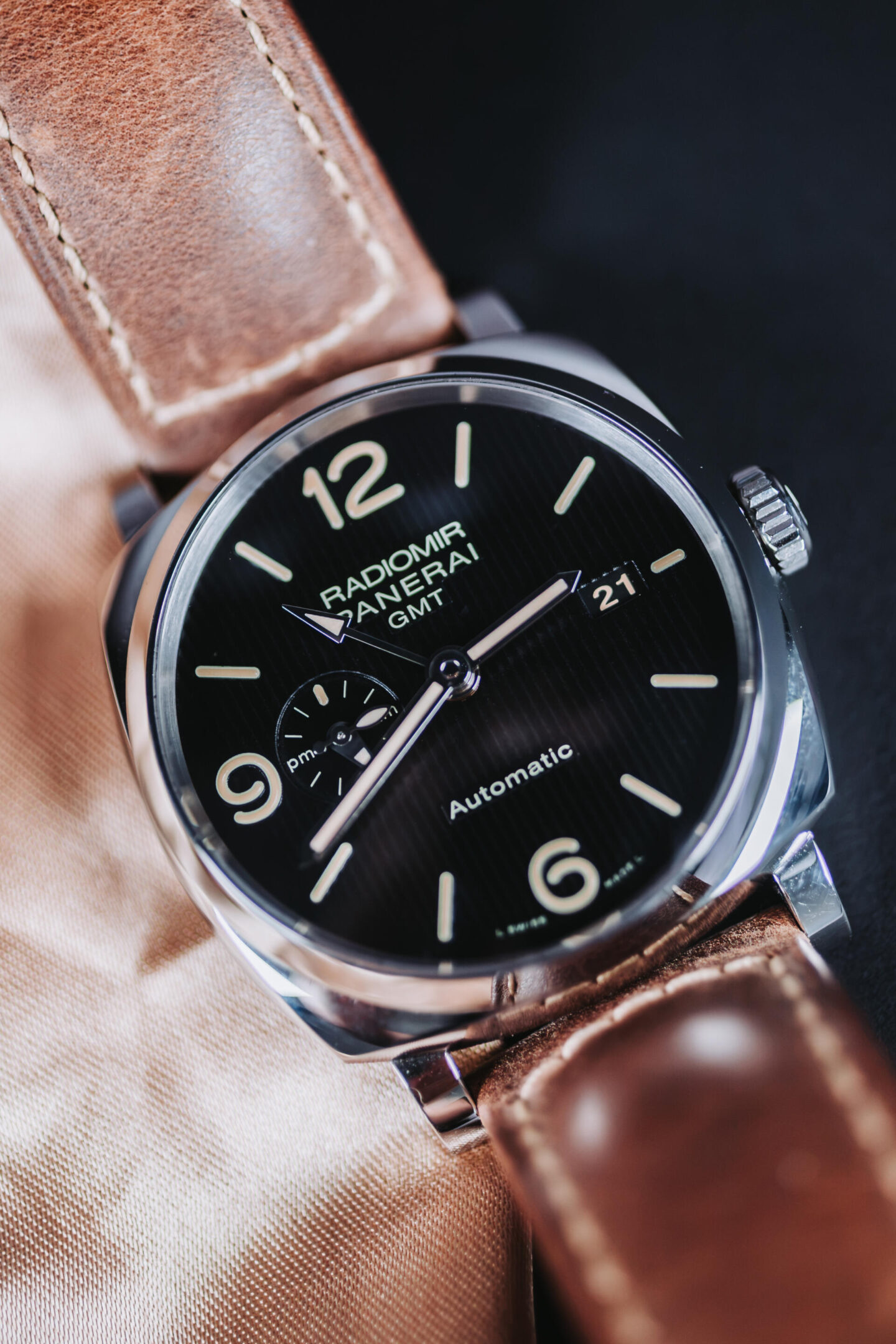
Panerai is a good example. The cushion-shaped cases, highly legible dials and distinctive crown-protecting bridge found on many Luminor models give the brand an immediate identity. The Radiomir offers a cleaner interpretation, while the Submersible takes the design in a more overtly functional direction.
A selection of pre-owned Panerai watches can include considerable variation despite the shared design language. Case materials, dial arrangements, sizes and movements all change how each reference feels on the wrist.
Panerai will not suit everyone, and that is part of its appeal. It is difficult to buy one accidentally. The size and design require a deliberate choice, which often gives the watch a clearer role within a collection.
Wrist time is the most honest measure
Collectors can find plenty of reasons to keep a watch. It may be rare, technically impressive or connected to an important point in the brand’s history.
But the simplest test is often how regularly it is worn.
A watch does not need to be used every week to justify its place. Some are kept for formal events, summer holidays or particular activities. Problems begin when a watch is repeatedly overlooked despite having several opportunities to wear it.
This can happen for practical reasons. The case might no longer feel comfortable. The bracelet may not fit as well as expected. The dial might be difficult to read, or the style may no longer suit the owner’s wardrobe.
Sometimes nothing is objectively wrong with the watch. Tastes have simply changed.
Leaving a watch untouched for another year rarely changes that. If it no longer provides enjoyment, moving it on can make the collection stronger rather than smaller.
Sentiment changes the calculation
Not every decision should be based on use.
A watch inherited from a relative or bought to mark an important event may deserve to remain even if it is rarely worn. Its significance exists separately from its market value or usefulness.
The important distinction is between genuine sentiment and a story created to avoid making a decision. A watch bought six months ago is not automatically sentimental because the search took a long time.
Collectors sometimes keep pieces because they remember wanting them rather than because they still want them now. Recognising that difference can prevent a collection from becoming filled with watches that belong to an earlier version of the owner’s taste.
Condition and completeness still matter
When deciding whether to keep or sell a watch, it helps to understand its current condition and what remains from the original set.
The box, warranty card, booklets, spare bracelet links and service documents can all matter to a future buyer. Their importance varies between brands and models, but keeping everything together makes the ownership history easier to understand.
Condition should also be judged realistically. Light wear is expected on a used watch. Heavy polishing, deep marks or replacement components can have a greater effect, particularly on older or collectable references.
A professional valuation should consider the exact reference, age, condition, accompanying items and current demand. Comparing only the cheapest or most expensive online listing rarely gives an accurate picture of what a watch is likely to achieve.
Selling without creating unnecessary work
Selling privately may produce a higher headline figure, but it also involves preparing the listing, answering questions, confirming authenticity, arranging insured delivery and managing payment risk.
For some collectors, that process is worthwhile. Others prefer the certainty of dealing directly with a specialist.
Anyone looking to sell a luxury watch should provide clear photographs and an honest description of the condition, along with the reference number, year and details of the box and papers. This allows a dealer to assess the watch properly and provide a realistic purchase price.
The highest advertised price online is not the same as the amount a dealer can pay. A dealer must account for preparation, warranty, payment fees, potential servicing and the time the watch may remain in stock.
A straightforward offer based on current demand is usually more useful than an inflated estimate that changes once the watch is inspected.
A smaller collection can be a better collection
Reducing the number of watches owned does not mean losing interest in collecting.
A smaller collection can make each piece more enjoyable. The differences between the watches become clearer, and fewer pieces are left unworn. It can also create room for a future purchase that adds something genuinely new.
The strongest collections are not necessarily the largest or most expensive. They are the ones where every watch has a reason to be there.
That reason might be regular use, historical interest, sentimental value or simply the enjoyment of owning a distinctive design. If the reason no longer exists, it may be time to let the watch go.
Collecting should remain enjoyable. Knowing when to move on is part of that.
