
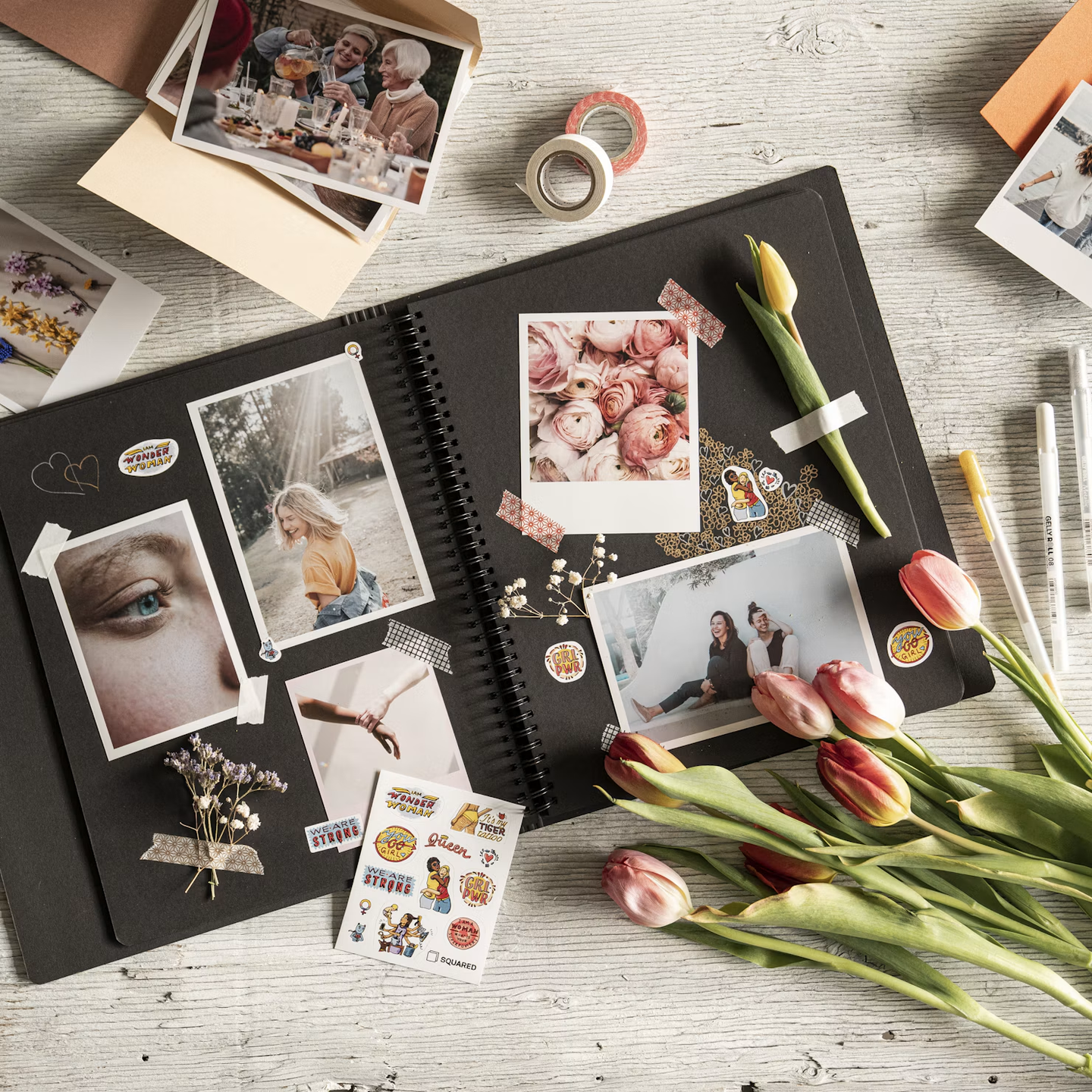
Photo by Kristyna Squared.one on Unsplash
A thoughtfully crafted photo album gives your memories a physical home, allowing you to revisit meaningful moments whenever you like. Whether you’re documenting a wedding or collecting years of travel memories, the way you present your photographs can make a noticeable difference. Careful choices about storytelling, image quality and materials can help you create an album that feels personal and stands up to years of regular browsing.
Start With the Story You Want to Tell
Consider the experience you want someone to have when they open your album. A clear theme helps you create a natural flow. For a wedding album, you might follow the day chronologically, from the morning preparations to the evening celebrations. Alternatively, a travel collection could focus on memorable experiences, grouping photographs by destination.
Think about the emotional rhythm, too. A full-page landscape can introduce a destination, while smaller candid photographs reveal the people and details that made your visit memorable.
Curate Your Photographs with Intention
A polished album relies on thoughtful selection. Including several nearly identical photographs can make the pages feel repetitive and distract from the moments that matter.
Start by gathering your images into one folder, then remove blurred shots and photographs with awkward framing. From there, select images that contribute something different to your story. For example, instead of including ten photographs of a birthday cake, choose one to show its decoration and another capturing someone’s reaction when it arrives. You should also consider image resolution, particularly if you’re using an online photo printing service to produce your album. Most services provide guidance on suitable image dimensions and warn you when photographs lack sufficient resolution.
Perfect Your Images and Page Layouts
Consistent editing helps your photographs sit comfortably together, even when you took them with different cameras or under changing lighting conditions.
Adjust exposure and contrast where necessary, but avoid excessive filters that make skin tones look unnatural. If you’re combining indoor portraits with outdoor scenes, subtle adjustments can help prevent abrupt changes in colour between neighbouring pages.
Leave enough white space around photographs to prevent a crowded appearance. For instance, placing one portrait against a generous plain background can draw attention to the subject more effectively than surrounding it with decorative graphics.
Keep text brief and choose no more than two complementary fonts. This approach makes captions easier to read and gives your album a consistent visual identity.
Add the Final Touches and Protect Your Album
Thick, matte pages offer a restrained appearance and reduce distracting reflections under indoor lighting. Lay-flat binding works particularly well for panoramic photographs because the pages open smoothly without hiding important details in the centre fold.
For the cover, consider linen or a durable leather or leather-effect material. Subtle embossed lettering can provide a personal touch without overwhelming the design.
Before placing your order, inspect the digital preview carefully for cropped faces and uneven margins.
A Keepsake That Grows More Meaningful
A beautiful photo album offers an opportunity to slow down and spend time with your memories. As years pass, ordinary details often become surprisingly meaningful. A childhood expression or a handwritten note might eventually attract more attention than the photographs you originally considered most important.
Your album can also become part of family traditions, encouraging conversations between generations and giving younger relatives a glimpse into earlier experiences. When you approach the project with care, you’re preserving moments that people can continue sharing.
