
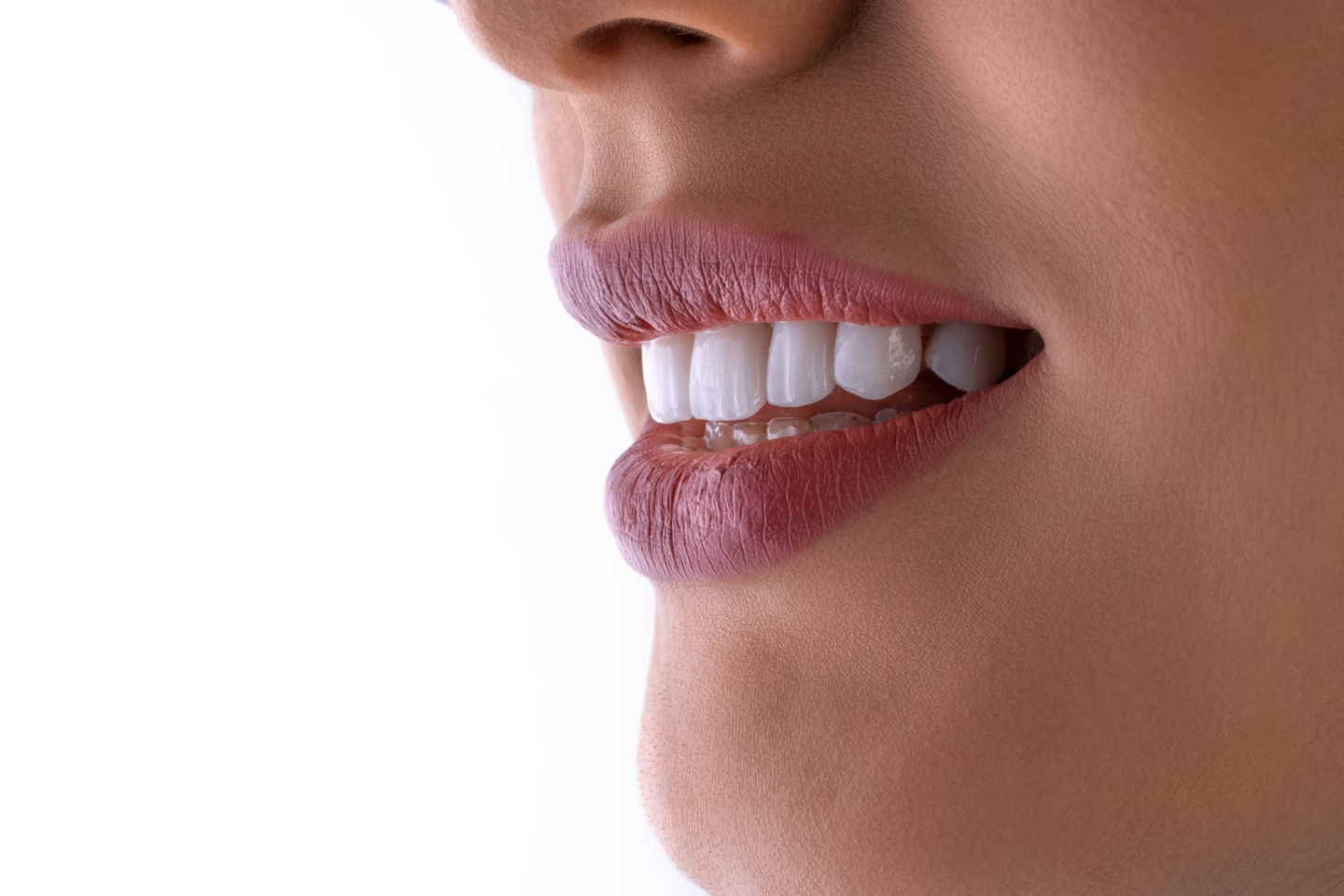
Photo by Kamal Hoseinianzade on Unsplash
Your smile is one of those little things you use all day without thinking much about it. You eat, talk, laugh, sip coffee, and maybe flash a polite grin when your phone camera opens by surprise. In a busy place like Finchley, it’s easy to push dental care down the list. Still, a few steady habits can make your teeth feel better, look cleaner, and save you from bigger problems later. The good news is that none of this has to be complicated.
Why Daily Habits Matter
A healthy smile usually comes from boring little things done often, not dramatic once-a-year promises. Brushing well, noticing changes, and keeping up with appointments with qualified dentists do more than make your teeth look nice. They help you chew comfortably, speak clearly, and avoid the kind of tooth pain that can ruin your whole day before breakfast.
If you’re looking for a highly-rated local dentist Finchley has options for people who want support with routine checkups, cleanings, and everyday dental concerns. That matters because small warning signs are easy to miss. A bit of bleeding when you brush, a tooth that feels oddly sensitive, or breath that won’t freshen up may not seem urgent at first. Still, those tiny clues can point to issues that are much easier to sort out early than after they become loud, expensive, and very grumpy.
Build A Better Routine
You don’t need a bathroom shelf that looks like a mini shop to care for your teeth well. A simple routine done properly beats a fancy routine you forget after two days. Brush twice a day for two full minutes. That’s longer than most people think, which is why a timer helps.
Use a soft-bristled brush and don’t scrub like you’re cleaning old paint off a wall. Gentle circles work better and are kinder to your gums. Floss once a day, too. It’s the part many people skip, yet it reaches the places your toothbrush can’t squeeze into. Plaque loves those spots, like an uninvited guest who won’t leave.
Try this basic routine:
- Brush in the morning and before bed
- Floss once daily
- Rinse your toothbrush and let it dry upright
- Replace your brush or brush head every three months
If your mouth still never feels fresh, your routine may need a tune-up rather than more products.
Foods Your Teeth Notice
Your teeth are not dramatic, but they do keep score. Sugary snacks, fizzy drinks, and frequent sipping can wear them down over time. It’s not just about how much sugar you have. It’s also how often your teeth are exposed to it. A sweet drink slowly sipped for hours gives your mouth a long, sticky problem to deal with.
You don’t need to fear every treat. Just get smarter about balance. Crunchy fruits and vegetables like apples and carrots can help clean the mouth a bit while you chew. Cheese and yogurt can also be helpful choices. Water is the real hero here. It washes things around, helps with dry mouth, and doesn’t bring sugar to the party.
A few easy swaps can help:
- Water instead of fizzy drinks during the day
- Nuts or fruit instead of sticky sweets
- Drinking acidic drinks with meals, not all afternoon
Your teeth aren’t asking for perfection. They’re asking for fewer surprise attacks.
Little Problems Get Bigger
A lot of dental issues start quietly. That’s why people often ignore them until the problem becomes impossible to overlook. Sensitivity to cold drinks, sore gums, bad breath, or a small twinge when chewing can seem minor. You might tell yourself it will pass. Sometimes it does. Often it doesn’t.
Bleeding gums are one of the most common signs people brush off. They may think they brushed too hard once and move on. But repeated bleeding can mean your gums need attention. The same goes for jaw tightness, clenching, or a tooth that suddenly feels different when you bite down.
Catching problems early usually means simpler treatment, less discomfort, and fewer interruptions to your routine. That’s the real win. It’s not just about avoiding pain. It’s about avoiding the snowball effect where one ignored issue leads to another. Teeth are a bit like house leaks. Small drip now, bigger headache later.
Confidence Starts Small
A healthy smile isn’t only about looks. It affects how you carry yourself in ordinary moments. You notice it when speaking in meetings, laughing with friends, or leaning in for a photo instead of doing the tight-lipped smile. Fresh breath and a clean mouth make you feel more at ease, even if nobody else says a word.
When your mouth feels sore or you’re worried about how your teeth look, it can quietly chip away at confidence. You may talk less, smile less, or overthink small interactions. On the other hand, when your teeth feel clean and your breath feels fresh, you’re not spending mental energy worrying about them.
This isn’t about chasing a perfect magazine smile. Most people just want to feel comfortable and presentable in real life. That means being able to enjoy meals, speak without discomfort, and smile without doing a secret self-check first. Small improvements count more than dramatic makeovers for everyday confidence.
Make Checkups Less Stressful
A lot of people avoid dental visits because they expect hassle, discomfort, or bad news. Fair enough. Still, a little planning can make the whole thing feel much more manageable. Book appointments at a time when you’re least likely to be rushed. If mornings are chaos, don’t pretend future you will suddenly become a calm sunrise person.
Before your visit, jot down any concerns you’ve noticed. Maybe one tooth feels sensitive, your gums bleed sometimes, or your jaw clicks like a tiny tap dancer. Writing it down helps you remember what to mention. It also makes the appointment more useful.
Try these simple steps:
- Schedule your next visit before leaving
- Keep a note on your phone for symptoms or questions
- Mention any changes in health or medication
- Stay consistent, even when nothing feels wrong
Checkups are usually easier when they’re regular. A steady habit keeps dental care from turning into a big scary event, and that’s something worth smiling about.
