
Boxing is an exciting and demanding sport that not only improves physical fitness but also enhances mental discipline and self-defence skills. If you’re considering stepping into the ring, here’s a comprehensive guide to help you start your boxing journey.
1. Understanding the Basics of Boxing
Before diving in, it’s essential to understand what boxing is all about. Here are some basics:
- Objective: Boxing involves two competitors who throw punches at each other while trying to avoid getting hit. The aim is to score points by landing punches on the opponent or knocking them out.
- Rounds: Professional bouts typically consist of multiple rounds, usually three minutes each, with a one-minute rest in between.
- Weight Classes: There are various weight classes to ensure fair competition among boxers of similar size.
2. Set Your Goals
Determine what you want to achieve through boxing. Your goals might include:
- Getting fit
- Learning self-defense
- Competing at an amateur or professional level
- Having fun and enjoying a new hobby
Your goals will shape your training plan and commitment level.
3. Find a Boxing Gym
Research Local Gyms
- Look for specialised boxing gyms that have trained coaches and facilities.
- Visit the gym’s website or social media pages for reviews and information about classes.
Visit and Ask Questions
- Go for a tour to see the facilities and equipment.
- Talk to the coaches about their training style and ask about classes for beginners.
Check for Schedule and Fees
- Find out about class schedules that fit your availability.
- Review membership fees and whether they fit your budget.
4. Invest in the Right Gear
Having the proper equipment enhances your training experience. Here’s what you’ll need:
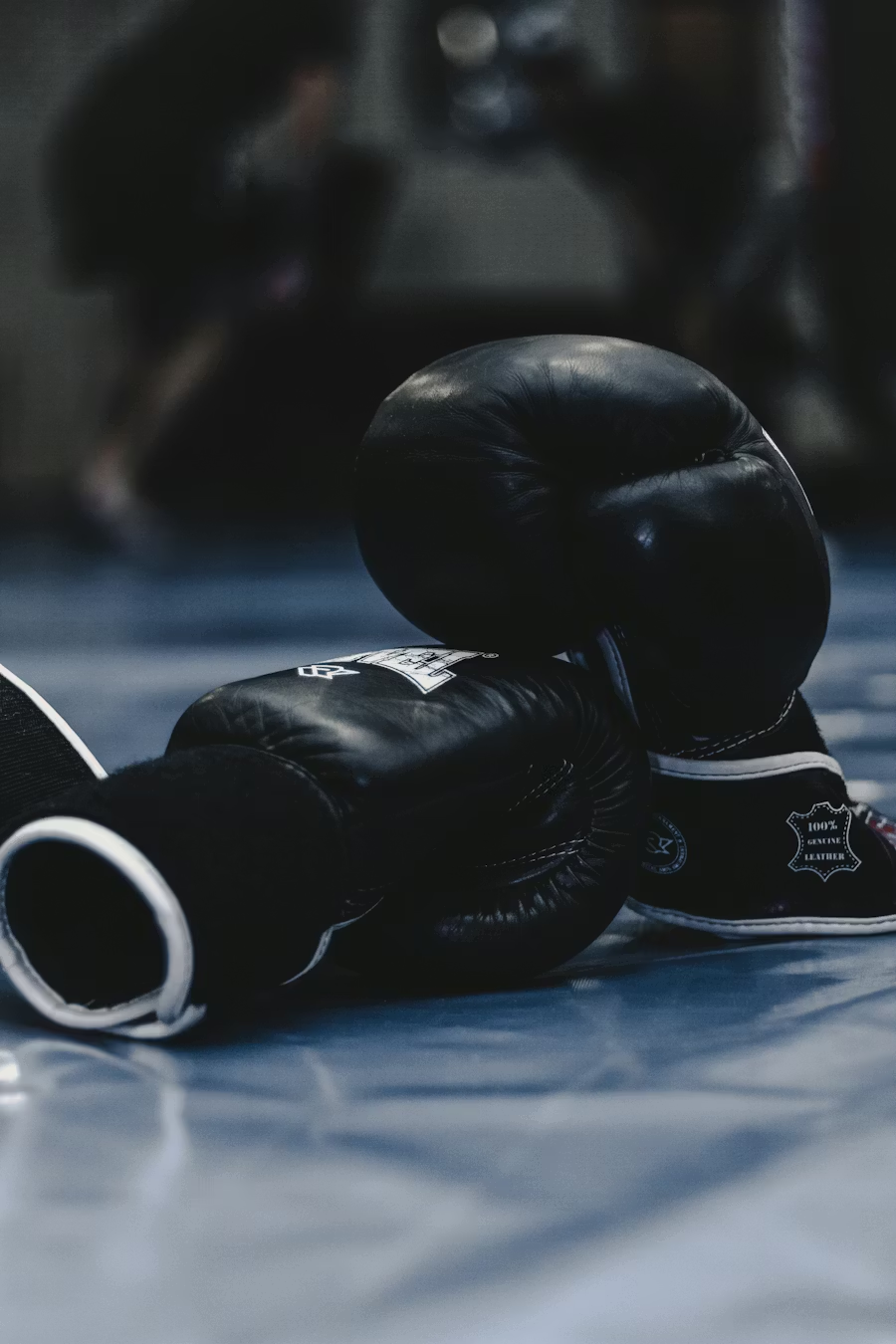
- Boxing Gloves: Good-quality gloves protect your hands and your sparring partners.
- Hand Wraps: These provide additional support for your wrists and knuckles.
- Gym Clothing: Comfortable athletic wear allows for free movement.
- Mouthguard: Essential for protecting your teeth during sparring or competition.
- Headgear: If you plan to spar, this is crucial for protection.
5. Start with the Fundamentals
Join a Beginner Class
- Most gyms offer beginner classes where you’ll learn the basics of boxing, including footwork, stance, and simple punches (such as jab, cross, hook, and uppercut).
Focus on Conditioning
- Boxing requires significant physical fitness. Work on general conditioning through exercises such as running, jump rope, and bodyweight workouts.
Shadow Boxing
- Practice your punches and footwork without a partner. This helps you develop technique and build muscle memory.
6. Practice Sparring
Once you’ve grasped the fundamental techniques and have conditioned your body, you can begin sparring.
Find a Sparring Partner
- Work with a partner at your skill level to practice techniques in a controlled environment.
Start Slow
- Begin with light sparring to get accustomed to the feel of the ring and the dynamics of a live opponent.
7. Focus on Technique and Skills
Work with a Coach
- Regular sessions with a qualified coach ensure you receive feedback on your form and strategy.
Utilise Heavy Bags and Mitts
- Practice your combos on heavy bags and focus mitts to improve power and accuracy.
Study Techniques
- Watch instructional boxing videos or fight footage to learn from experienced boxers.
8. Nutrition and Recovery
Your body needs fuel and recovery time to perform at its best:
Eat a Balanced Diet
- Incorporate lean proteins, whole grains, fruits, and vegetables into your meals.
Stay Hydrated
- Drink plenty of water, especially before and after workouts.
Prioritize Recovery
- Allow time for rest and recovery to prevent injury. Stretching, foam rolling, and adequate sleep are essential.
9. Stay Committed
Boxing requires dedication and discipline. Here are some tips to stay committed:
- Set Realistic Goals: Establish short-term and long-term goals to keep you motivated.
- Track Your Progress: Keep a journal of your training sessions, achievements, and areas for improvement.
- Surround Yourself with Supportive Individuals: Connect with other boxers who encourage and inspire you.
10. Explore Competition (if interested)
If you wish to compete, discuss this with your coach. They will guide you through:
- Amateur Matches: Enter local tournaments to gain experience.
- Understanding Rules and Regulations: Familiarise yourself with the governing body of your region to ensure compliance.
Getting into boxing offers a pathway to improve your physical fitness, self-discipline, and confidence. Whether you aim to compete or just have fun, following this guide will help you pave your way into the world of boxing. So lace up those gloves, find your rhythm, and enjoy the journey ahead!
