
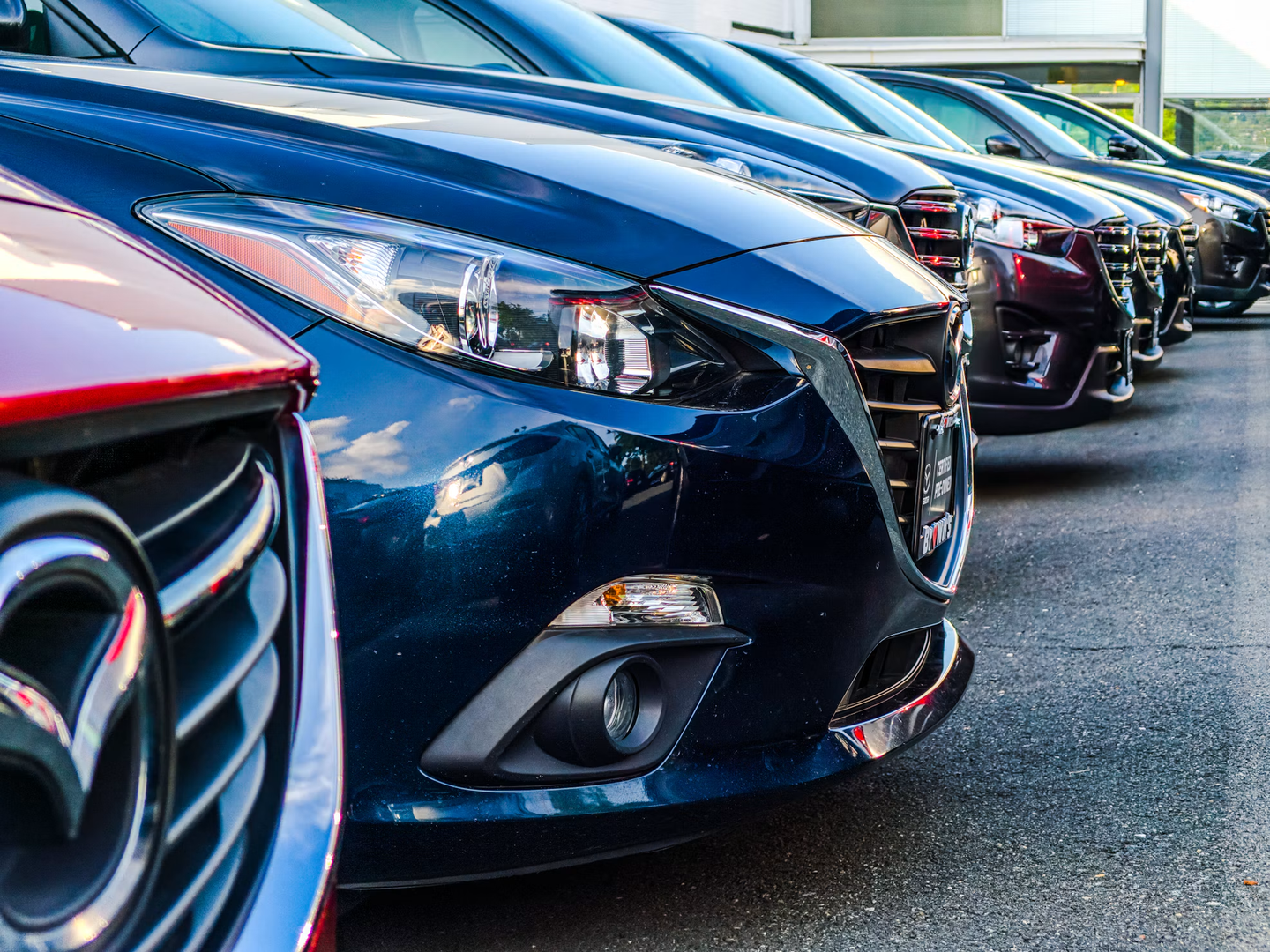
Buying a car represents a significant financial commitment, particularly when you consider the costs that continue long after you drive away from the dealership. With new car prices often stretching household budgets, choosing a pre-owned vehicle can offer a more affordable way to get on the road. You don’t necessarily have to sacrifice comfort, reliability or useful features to save money. By looking beyond the initial purchase price and thinking about the longer-term costs, you can find a car that suits your lifestyle without putting unnecessary pressure on your finances.
Depreciation
One of the biggest financial advantages of buying a used car is that you avoid the steepest period of depreciation. New cars typically lose a substantial proportion of their value during their first few years, with the largest drop often occurring as soon as they leave the showroom. When you choose a vehicle that’s already a few years old, its previous owner has absorbed much of this initial loss. For example, a family car that originally cost £25,000 might now sell for considerably less, despite still offering modern safety features and comfortable driving.
This can also help you protect more of your money when you eventually sell the vehicle. Although all cars depreciate over time, a well-maintained used model may lose value more gradually than a brand-new equivalent.
Budgeting
A lower purchase price gives you greater control over your overall motoring budget. If you pay less upfront, you may need a smaller car loan, which can reduce your monthly repayments and the interest you pay over the agreement. You could also use the savings to cover other motoring expenses, such as insurance, servicing and fuel. However, don’t assume every used car costs less to run. Older vehicles may need more frequent repairs, while some models attract higher insurance premiums. Before making a decision, compare insurance quotes for your preferred models and research typical servicing costs. Check the vehicle’s fuel economy too, particularly if you commute regularly. These figures will help you understand what ownership will actually cost rather than focusing solely on the advertised price.
Car buying checklist: A little preparation can help you avoid expensive surprises when shopping for a car. When comparing used cars, take time to investigate each vehicle’s history and condition rather than rushing into a purchase. Use this checklist to guide your search:
· Check the service history: Look for regular maintenance records and evidence of important repairs.
· Review the MOT history: Check previous test results online for recurring faults or advisories.
· Inspect the bodywork: Look for rust, uneven paintwork and signs of accident damage.
· Take a test drive: Pay attention to the brakes, steering, clutch and engine performance.
· Check the paperwork: Make sure the registration details match the V5C logbook.
· Arrange an independent inspection: A qualified mechanic can identify problems you might overlook.
Buying a used car doesn’t mean compromising on quality. With careful research and realistic budgeting, you can find a dependable vehicle that meets your needs while keeping more money in your pocket.
