
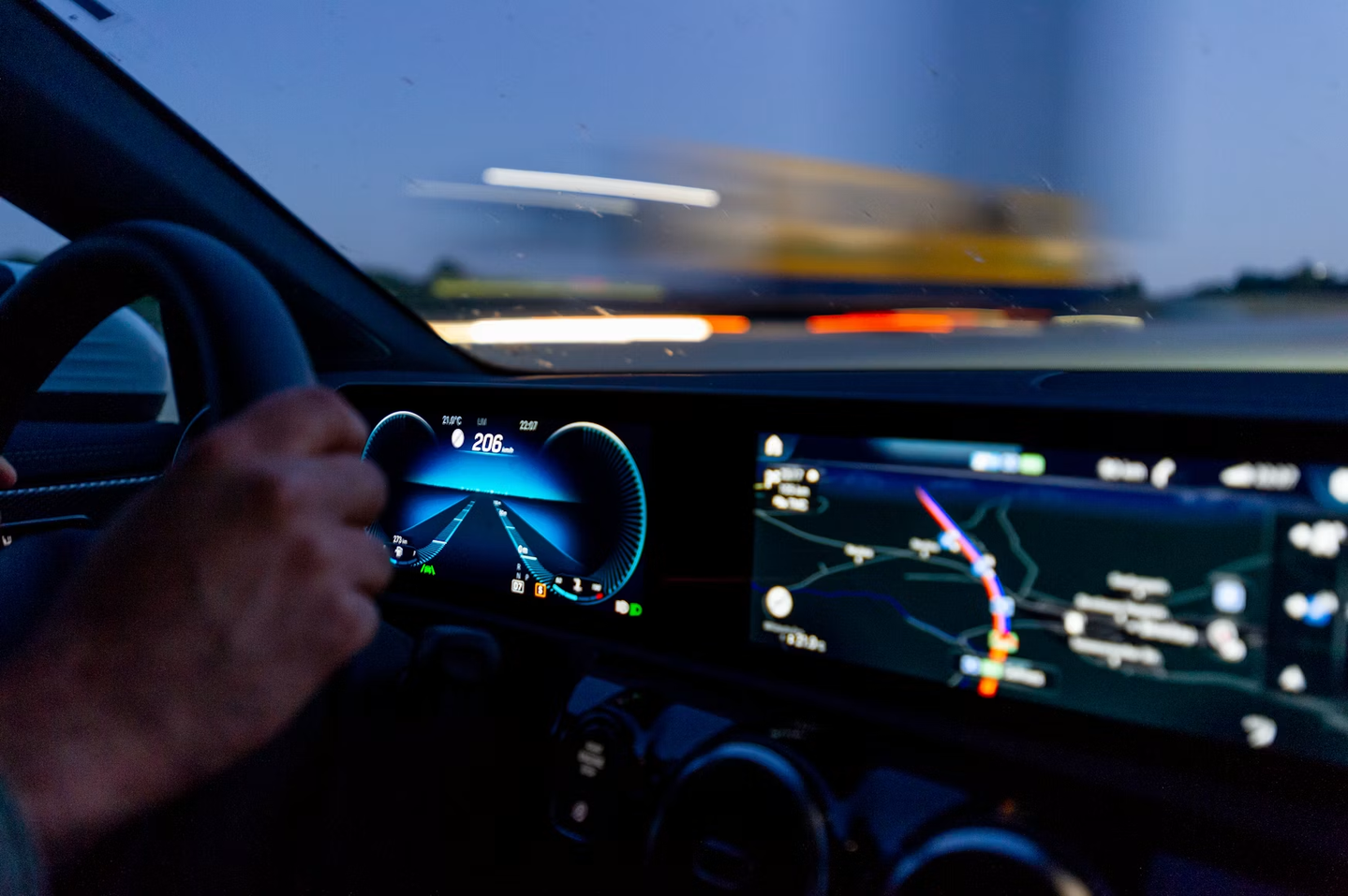
Our relationship with cars is changing fast, all thanks to new technology. Digital tools are reshaping everything about owning a car, from how we buy it to how we drive it and even how we sell it. It’s no longer just about getting around; it’s about staying connected, making things personal, and being efficient. This shift is creating a new world where data and software are just as important as horsepower and how a car handles.
Digital Platforms for Buying Cars
The days of spending whole weekends wandering around car dealerships are quickly disappearing. Now, buying a car often starts and finishes online. Digital platforms have completely changed how we look for, compare, and buy vehicles. You can explore virtual showrooms from your couch, take 360-degree tours of car interiors, and build your dream car with just a few clicks.
Many car makers are also selling directly to customers. This means you can order a new car online and have it delivered to your home. This approach cuts out the middleman, offering clearer pricing and a smoother experience for buyers. These platforms give you access to a huge selection, detailed car histories, and customer reviews. This helps you find the perfect car without the usual sales pressure.
Streamlining the Vehicle Selling Process
Just as technology has made buying a car simpler, it’s also changed how we privately sell vehicles. You no longer have to deal with a time-consuming private sale or a low trade-in offer. Online tools now give you an instant valuation, so you know what your car is worth in minutes. This transparency takes away a lot of the guesswork and haggling.
These services offer an easy alternative to older methods. Many platforms connect you directly with professional car buyers who can give you a good offer and handle all the paperwork. This digital approach often means you can get a quote, arrange an inspection, and complete the sale in just a few days. It makes the whole process much faster and less stressful.
Smart Cars and Connected Services
Modern cars are quickly becoming computers on wheels. Smart cars are all about connecting to the internet and talking to other devices. This connectivity opens up a huge range of services that make driving safer, more convenient, and more fun. Over-the-air software updates mean your car can get new features and security fixes without needing a trip to the garage, just like your smartphone.
Connected services include real-time traffic updates, remote-start functions, and emergency help. In-car entertainment systems link up smoothly with your mobile devices, giving you access to music, navigation, and apps. This development is key to the future of connected driving, where cars are a connected part of our digital lives, always learning and adjusting to what we need.
AI and Personalised Driving
Artificial intelligence (AI) is taking the in-car experience to a new level by making things incredibly personal. AI systems can learn your preferences and habits over time. They automatically adjust everything from the cabin temperature and seat position to your favourite radio station when you get in the car. They can even suggest destinations based on your calendar or usual routines.
Beyond comfort and convenience, AI is a crucial part of advanced driver-assistance systems (ADAS). Features like adaptive cruise control, lane-keeping assist, and automatic emergency braking use AI to analyse the car’s surroundings. They can react faster than a human driver ever could. These technologies are not only making our journeys safer but also paving the way for smarter journeys and the eventual reality of fully self-driving cars.
Future of Mobility Solutions
The very idea of owning a car is being challenged by new tech-driven models. Car subscription services are becoming popular, offering an all-inclusive package. This covers the car, insurance, maintenance, and tax for one monthly fee. It gives you the flexibility of having a car without the long-term commitment and financial burden of ownership.
Looking further ahead, Mobility as a Service (MaaS) platforms could bring together different types of transport. This includes ride-hailing, public transport, and car-sharing schemes, all into one easy-to-use service. As self-driving car technology gets better, we might move towards a future where owning a personal car is a choice, not a necessity, for many. On-demand autonomous vehicles could provide efficient and affordable transport.
This wave of technology isn’t just changing cars; it’s redefining how freely we can move around. The car of the future will be connected, smart, and part of a much bigger network for getting around.
