
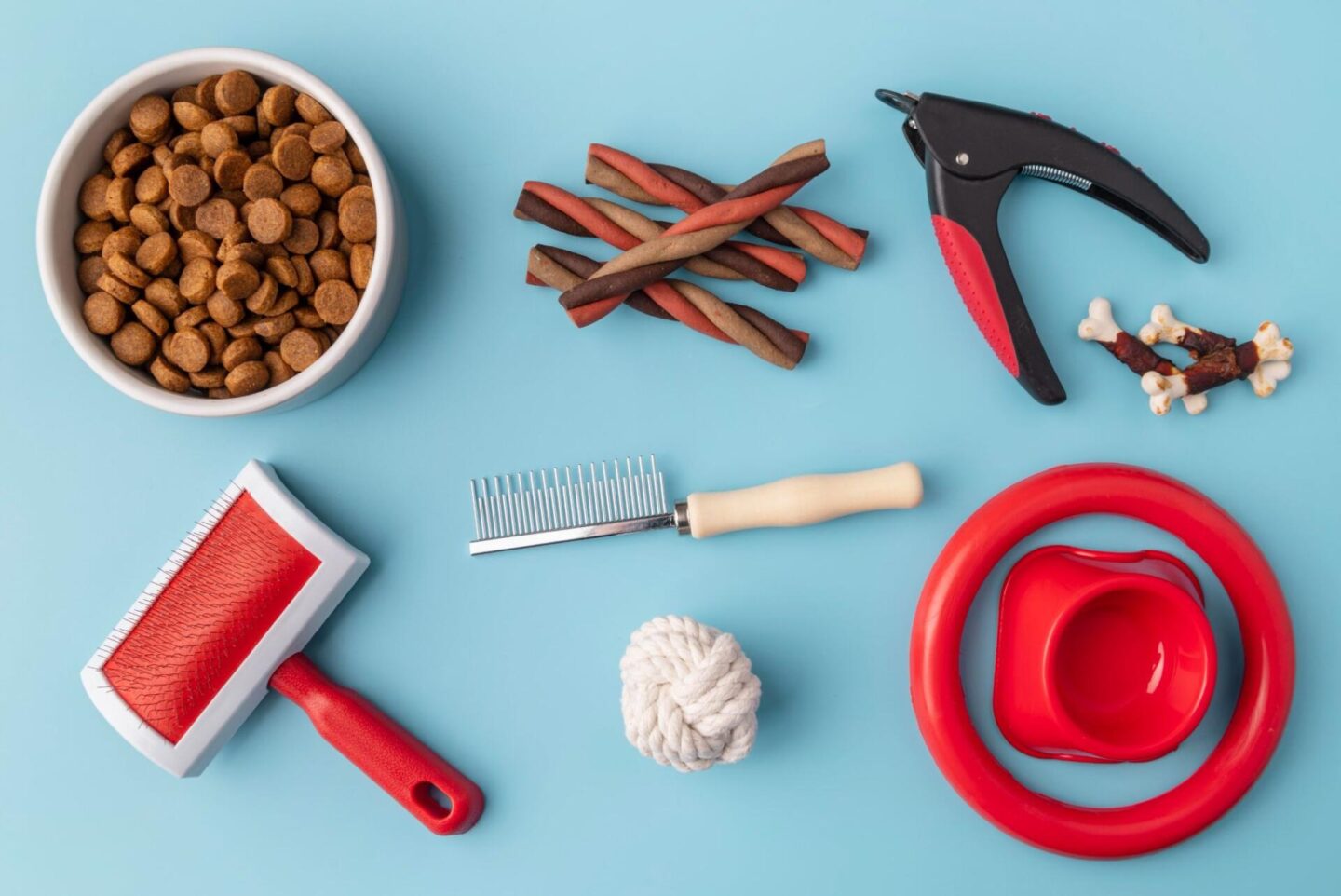
Pet owners should develop early grooming habits with their pup to ensure a lifelong healthy life. This habit will determine the response of your pup to care. Once your pets are allowed to adapt to the new environment in the first two months of time, it develops a sense of comfort in them, and it becomes easier and safer to groom them in the future.
Cleanliness is not the only chapter in the life of a pup. Regular grooming is also healthy for their skin. It keeps their coats from matting and gives them an ideal bonding time. You can have a calm, slow brushing time together or a relaxing bath to make your pup feel content and cared about.
The recent dog grooming trends also highlight the importance of including puppy-safe tools in grooming routines. Products that are designed for older dogs can cause skin sensitivities. Therefore, choosing mild formulas and right-sized tools is extremely important. Furthermore, professional groomers also encourage starting early, following the right approach to avoid skin or behavioural issues later.
Why Start Grooming Your Puppy Early?
A younger pup is a quick learner, and grooming habits instilled in them sooner tend to last with them forever. Building positive experiences around grooming can help your pup accept bathing, brushing, and nail trimming without any struggle.
This is evident especially when caring for delicate breeds such as a Teacup Havanese. Their sensitive skin and soft coat need additional care from an early age.
Fear develops when grooming is introduced late or handled with force. Slow, gentle exposure can prevent anxiety and turn the process reassuring and not overwhelming.
There are numerous benefits of puppy freshness achieved through grooming that demands consistent care. This is important to maintain the health of their coat and skin. Regular brushing routines help in natural oil distribution, and gentle cleaning prevents the build-up of bacteria or dirt.
Numerous veterinarians and certified groomers have recommended introducing the pup to grooming in short or positive sessions during the early weeks. This professional guidance ensures that the pup is associated with grooming comfortably.
Essential Puppy Grooming Routines
Regular grooming activity can keep your pup clean and stress-free, as well as keep them comfortable. It is able to protect against routine problems like infections, matting, or thickened nails.
How Often Should You Brush a Puppy?
Establishing a regular brushing routine can keep your pup’s coat healthy. It aids in diminishing shedding and prevents tangles. The frequency of brushing also depends on what type of coat your pup has, and it aids in the spread of natural oil in the skin.
Here is the basic rule:
- Short coats: 1–2 times per week
- Medium coats: 2–3 times per week
- Long or curly coats: daily or every other day
Brushing regularly will keep the tangles at bay and minimise shedding around your house.
How Often Should You Bathe a Puppy
Bathing helps maintain hygiene by removing build-up and dirt that supports your dog’s healthy skin. Therefore, keeping your pup clean is more than just a matter of hygiene. This prepares them for outdoor activities and to enjoy new experiences. So, when planning for dog-friendly trips, it is important to maintain an adequate bathing routine that ensures your pup stays comfortable and fresh during travel.
The following are the things you can do:
- Bathe once every 3-4 weeks for several pups
- Ensure to use mild, pH-balanced puppy shampoo
- Take short baths with lukewarm water.
Quick tip:
- Use lukewarm water
- Keep sessions short
- Dry thoroughly, especially in colder weather
How to Trim Puppy Nails Safely
Nail clipping may be used to relieve pain and maintain proper paw posture. The gradual process guarantees that your dog is gradually learning to be comfortable with routine nail care procedures.
Nail trimming is:
- Recommended every 2-3 weeks
- Wiser to cut smaller bits at a time
- Smoother with sufficient lighting to prevent chopping the quick
Quick tips:
- Remember to cut off just the tip
- Give treats throughout and afterward
- Wash their ears and eyes
How to Clean Ears and Eyes
Clean up the ears and eyes of your pup to avoid irritation and infections. With correct inspections, issues can be recognised at an earlier stage, and these sensitive sections can be kept clean. Ensure to:
- Clean their ears once every week using a vet-approved solution
- Use a soft, damp cloth for the eyes
- Keep your movements calm and only surface-level
Always avoid inserting something deep into their ear canal. Gentle surface cleaning is enough to make a smart choice for a pet’s health.
Must-Have Grooming Tools for Puppies
When selecting the correct grooming equipment in the initial stage, all the other sessions become easier, more secure, and enjoyable for your puppy.
Brushes and Combs
Select according to the type of coat:
- Long coats with slicker brushes.
- Soft-bristle pups’ short hair brushes.
- Puppy Towels and Shampoo.
Delicate tear-free shampoos guard delicate skin. Mild formulas help to keep their coat clean and maintain natural moisture balance. Absorbent towels are soft and effective in drying your puppy.
Nail Clippers or Grinders
Clippers are easy to start with, and grinders provide gentler edges when your puppy is accustomed to the noise.
Grooming Wipes and Ear Cleaners
Convenient when a bath is in progress. Good in paws, face, and small amounts of messes.
How to Choose Safe Grooming Products
By choosing safe grooming products, you will make sure that during all grooming sessions, you keep your puppy and its tender skin and coat safe.
Puppy-Specific Formulas
Puppy-labeled products are formulated with puppies in mind, having a low-intensity composition and moderate pH levels.
Avoid Harsh Chemicals
Find formulas that do not contain:
- Sulfates
- Parabens
- Artificial dyes
Match Tools to Coat Type and Size.
Smaller breeds require smaller tools, whereas the thick-coated breeds need stronger brushes. Both comfort and efficiency are important.
How to Make Grooming Stress-Free
Grooming can become a fun bonding activity instead of a stress that is an order of the day for your puppy with a calm and mindful approach.
- Start Slow and Build a Routine: Always ensure to introduce your pup to one grooming activity at a time. Exposing them to this routine slowly makes them comfortable.
- Use Positive Reinforcement: Positive associations are formed through treats, praise, and soft tones.
- Create a Calm Environment: Select a distraction-free area. A soothing environment will make your puppy feel at home.
Quick tip: To groom your puppy, wait until he feels settled, which is safest with a playful puppy.
Common Puppy Grooming Mistakes to Avoid
Even minor grooming errors may cause discomfort, anxiety, or habits that are hard to overcome as you grow with your puppy.
- Overbathing: Bathing regularly removes the natural oils from the coat of your puppy, causing them to get very dry and irritated. This also increases sensitivity, making them itch.
- Using Adult Products: Grooming products used on adults are more likely to cause allergic reactions because they contain stronger chemicals that can irritate sensitive puppy skin. This destabilises pH balance.
- Skipping Nail Trims: Long nails may interfere with walking posture and can be painful in the long term. This makes your pup’s movement uncomfortable and potentially leads to joint or alignment problems in the future.
- Ignoring Early Resistance: Fear when grooming is a symptom that must never be overlooked. Frequent negative experiences lead to anxiety, and eventually, grooming becomes more and more stressful over time.
Weekly Puppy Grooming Schedule
With a basic routine, you can keep things very manageable as well as give your puppy time to become accustomed to standard care and grow to enjoy grooming.
Daily
- Quick coat check
- Wipe paws or face if needed
Short sessions of daily inspections can help you identify dirt, tangles, or minor injuries before they turn into a major problem.
2–3 times per week
- Brushing session
Regular brushing can promote their coat health, reduce shedding, and help your pup become familiar with handling or grooming tools.
Weekly
- Check ears and clean if necessary
- Inspect nails
Ears should be clean, and nails should be properly checked in case they accumulate, develop infections, and also do not overgrow, thus making the process painful.
Every 3–4 weeks
- Bath with puppy shampoo
- Trim nails
Setting a bathing routine for your pup at proper intervals helps in maintaining their hygiene without drying out their skin. Trimming their nails can keep their movement comfortable and maintain their balanced posture.
Tip: Sessions should be brief and positive to ensure your puppy is in a comfortable position and develops a stress-free grooming session over time.
Conclusion
Early grooming brings about permanent positive effects that go way beyond the surface. Regular routines keep your pup’s skin healthy, the coat clean, and make them comfortable while building a lasting bond.
With a properly developed strategy, your puppy can gain trust and confidence at the end of each session. Early routines are simple to follow and keep your pet clean and fresh at all times.
