
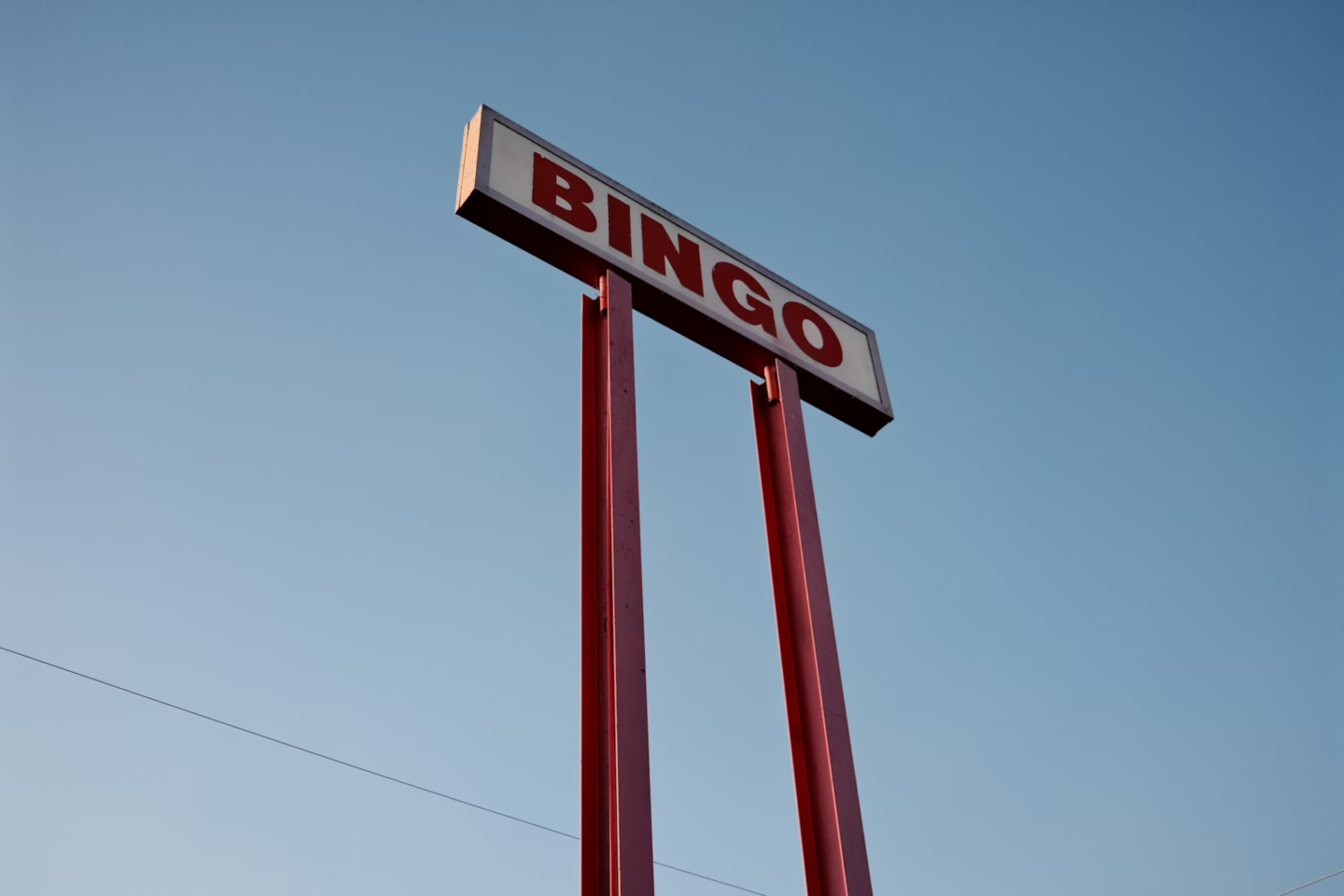
I used to spend many a Sunday evening playing bingo, and I’ve decided to take it up again as a hobby. Bingo is often dismissed as a simple pastime played in dusty community halls, but beneath its easy-going exterior lies a powerhouse of cognitive, social, and emotional benefits. Whether played in a traditional bingo hall or via a modern digital app, the game provides a unique mental workout that bridges the gap between entertainment and therapy.
Stay Sharp and Mentally on the Ball
The primary benefit of bingo is its ability to keep the brain agile. It requires a high level of mental alertness and concentration. If you have ever played with 6 tickets, you will know. Players must listen for numbers or classic bingo calls like Legs 11, scan multiple cards simultaneously, and react quickly to mark their spots. This process engages several cognitive functions at once:
- Speed of Processing: As the caller picks up the pace, players must process information and translate it into action rapidly.
- Executive Function: Managing multiple cards forces the brain to multitask and maintain focus under a time constraint, which helps strengthen short-term memory.
- Pattern Recognition: Constantly scanning for lines, four corners, or full houses keeps the visual-spatial parts of the brain active.
Emotional Well-being and Stress Relief
In an increasingly digital and isolated world, bingo serves as a vital social anchor. Human beings are wired for connection, and the communal nature of bingo where players share in the tension of a “near-miss” or the excitement of a win, fosters a sense of belonging. If you work from home like me, it’s a great out-of-the-house activity.
For many, especially older adults, a weekly bingo game is a primary source of social interaction. This engagement is a powerful tool against loneliness and depression. The light-hearted atmosphere allows for “micro-socialising”—small, low-pressure interactions that boost mood and reduce cortisol (the stress hormone).
The “Dopamine Hit” of Success
My favourite thing about bingo? Bingo is a game of anticipation. The “near-win” experience of needing just one more number triggers the brain’s reward system. When that final number is called, the brain releases a burst of dopamine. This doesn’t just feel good; it provides a sense of achievement and self-efficacy. Even in a game of pure chance, the act of “winning” can provide a psychological lift that carries over into a person’s daily outlook.
Physical Health Coordination
While it isn’t a sport, bingo offers physical advantages, particularly regarding hand-eye coordination. The repetitive motion of marking a card quickly and accurately helps maintain fine motor skills. For those with limited mobility, it provides a way to stay active and engaged without the need for strenuous physical exertion.
Bingo is much more than a game of luck. It is a multi-sensory experience that promotes mental longevity, social cohesion, and emotional resilience. By combining the thrill of the win with the warmth of community, bingo proves that staying sharp doesn’t have to feel like work; it can be as simple as waiting for the next ball to drop.
Have you tried bingo?
